
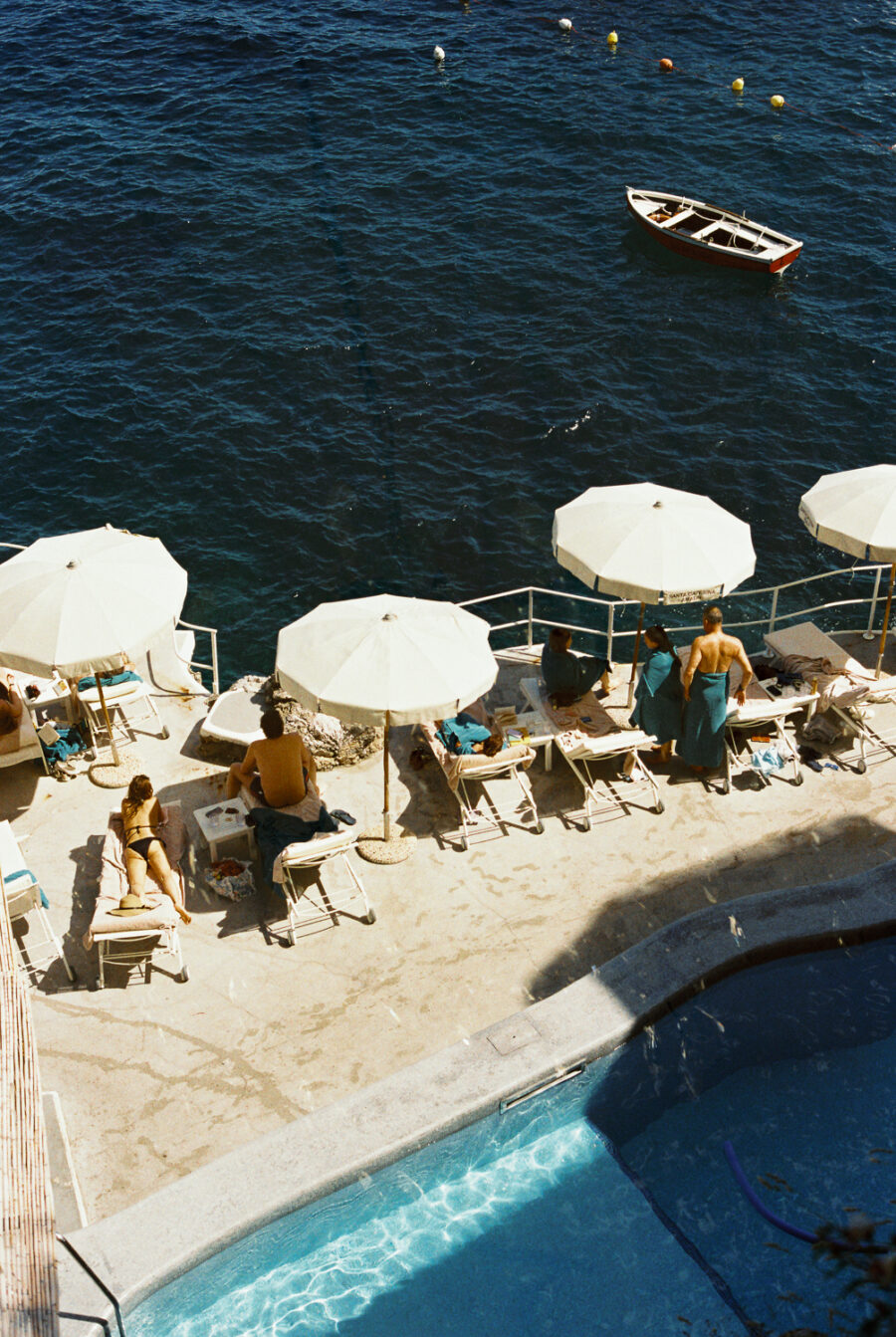

Caló des Moro at the hour you should not be there.
The water really is that colour. The trouble is that everybody now knows it.
The southeast corner of Mallorca, between Santanyí and Cap de Ses Salines, is cut into dozens of tiny inlets – calós – where the limestone drops straight into water that goes an improbable, swimming-pool turquoise. They are small, most of them have no sand to speak of, and they are reached down rough paths rather than from a car park. That is exactly why they are good, and also why the famous ones now have a queue down the steps by ten in the morning. Here is which ones to bother with, in what order, and when to turn up.
Cala s’Almunia, where you get in off the rock rather than off a beach.
The old fishermen’s huts, still in use.
The famous one
Caló des Moro. The photograph that sold Mallorca to the internet – a slot of white sand maybe thirty metres across with water so clear the boats look like they are floating on air. It is reached down a rough, unmarked scramble from the road and there is no shade, no bar and no lifeguard. In July it holds several hundred people on a beach that comfortably takes forty, and the residents of Santanyí have made their feelings about this very clear. Go at eight in the morning, or go in May or October, or do not go.
The better one, thirty seconds away
Cala s’Almunia. The next inlet along, and the one I would actually choose. There is no sand at all – you get wooden boat ramps, a handful of whitewashed fishermen’s huts built into the rock, and steps down into deep clear water. You swim off the stone rather than wading in, which puts off enough people to keep it civilised. Reef shoes, and watch where you leave your towel when a boat comes in.
The one with actual sand
Cala Llombards. Pines, a proper crescent of sand, a small boathouse at one end, a beach bar and – crucially – a car park. This is where you go if you want a whole lazy day rather than a swim and a scramble, or if you have children who need somewhere to put a towel.
The one that is not for swimming
Cala Figuera. A working fishing village rather than a beach, with boathouses on stilts along a long narrow inlet and the fleet still going out. Come in the early evening, walk the two arms of the harbour, eat fish at the top. It is the prettiest hour on this coast and nobody is in a swimsuit.
The one with the arch
Cala Santanyí, and the walk from it out to Es Pontàs – a natural rock arch standing out of the sea that is famous among climbers as a deep-water solo. Twenty minutes on a clifftop path, and the view back is the best on this stretch.
The one for a full day
Mondragó and S’Amarador. Inside a natural park, so the development stops at the edge: two linked sandy bays, dunes, a path between them, and enough space to still be pleasant in August. The compromise choice that nobody regrets.
And in Palma
The city beaches are fine rather than special. If you are staying in town, skip them and go to Portixol or El Molinar instead – swim off the rocks where the locals do, then have breakfast on the seafront. It is a better morning than the drive out to anywhere.
The one most people miss
Es Caragól, down near Cap de Ses Salines at the island’s southern tip. It takes a twenty-minute walk from the road through low scrub to reach it, and that walk is the entire reason it stays empty – no bar, no loungers, no shade, just a long pale beach and shallow water and usually a handful of people. Take water, take a hat, take lunch. It is the closest thing left on Mallorca to having a beach to yourself in August.
A few rules that make all of this work. Go early – before nine, not before eleven. Every one of these fills from mid-morning and the car parks fill before the beaches do. Wear something on your feet, because the paths are sharp limestone and the entries are rock. Take everything out with you, including the fruit peel; these coves have no bins for a reason and the local feeling about visitors is not improving. And go in May, June, late September or October if you have any choice at all. The water is at its warmest in September, the light is better, and you will have room to put a towel down.
Lunch afterwards, which is the other half of the day.